
Self-Care Isn’t Always a Spa Day
There is often someone who remembers the birthdays, checks whether everyone has eaten, notices when a friend is unusually quiet, and somehow keeps a dozen little things from falling through the cracks. These gestures rarely make a grand impression on their own, but together, they are how so much care finds its way into everyday life.
For many women, being that person comes naturally. Between work deadlines, family commitments, friendships, and the countless details that keep life moving, their own needs can quietly slip to the bottom of the list. Rest becomes something to look forward to after everything else is done, even when that moment never quite arrives.
Self-care is often pictured as a treat: a massage, a long bath, an afternoon with nowhere to be. Those things can be wonderful, but caring for yourself sometimes means making less comfortable choices - saying no, leaving a task unfinished, or letting someone else take the lead.
The Things You Don’t Have to Say Yes To
There is a particular kind of tiredness that comes from being the person everyone knows they can count on. You accept one more request because it seems easier than explaining why you cannot, agree to plans when you would rather stay home, or take on extra work because you know you can get it done.
Over time, being helpful can become less of a choice and more of an expectation, including one you place on yourself.
A small pause before saying yes can make a difference. Check your schedule, consider your energy, and give yourself permission to answer honestly. Not every invitation needs to be accepted, and not every problem needs to become yours to solve. Disappointing someone occasionally is part of having limits, not evidence that you care too little.
An Evening That Doesn’t Need to Be Productive
A free evening can quickly turn into a list of errands, laundry, unanswered messages, and tasks saved for “when there’s time.” Even rest can become another project, complete with the pressure to make the most of it.
Try leaving a little space that has no purpose beyond being yours. Eat without rushing to the next thing. Go to bed before the entire list is finished. Let an afternoon remain unplanned rather than filling every gap out of habit.
There will always be something that could use your attention. Learning to stop anyway is part of finding a pace you can actually sustain.
Listening to the Body on the Mat
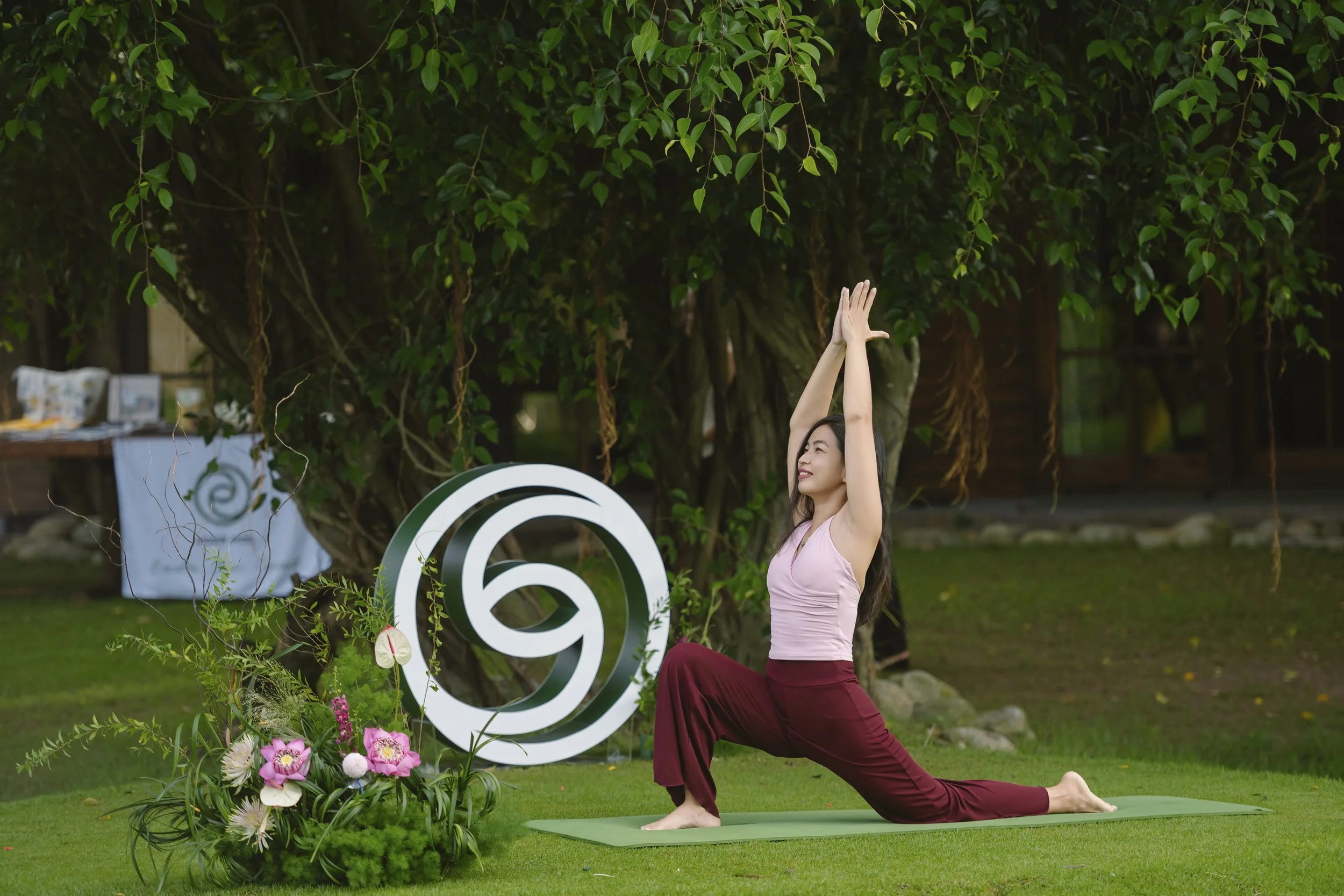
Yoga offers a place to practise this kind of awareness without needing to explain yourself to anyone. In a forward fold, bending the knees may offer a more comfortable stretch than forcing the legs straight. In Warrior II, relaxing the shoulders can be more useful than holding unnecessary tension. A wall can provide support in a balancing pose, allowing stability to develop without turning every wobble into a test of willpower.
The same principle applies to the whole practice. Some days call for an energising flow; others feel better with gentle Cat–Cow movements or a supported Child’s Pose. Adjusting to your energy does not mean giving up. It means paying attention to what is actually there, rather than what you think you should be able to do.
That awareness can follow you off the mat, too. Your body may need sleep instead of another workout, a proper lunch instead of eating between meetings, or a quiet evening instead of one more social commitment. The challenge is often less about knowing what would help and more about allowing yourself to choose it.
Let Care Come Back Around
Being the person who remembers, organises, listens, and lends a hand can make others feel deeply loved. Yet it can also make receiving care feel unfamiliar. Asking for help may seem slower than doing everything yourself, and explaining that you are struggling can feel harder than saying you are fine.
Start small. Let a colleague help with a deadline. Tell a friend you could use someone to listen. Share household responsibilities without waiting until you are overwhelmed. Care becomes more sustainable when it moves in both directions.
And when life feels heavier than everyday adjustments can manage, reaching out to a mental health professional is another way to seek support. There is no need to wait until everything falls apart to deserve help.
Beyond the Flowers
The loveliest part of celebrating someone is often the feeling of being seen: having your favourite meal remembered, being given time to finish a story, or finding that someone has taken care of a task before you even had to ask.
Perhaps that is a useful way to think about self-care, too. Not as another routine to perfect, but as a willingness to notice what has been overlooked - including your own needs.
For Vietnamese Women’s Day on 20 October, flowers and thoughtful messages are lovely ways to show appreciation. But that feeling can last beyond a single day: in sharing the workload, checking in after the celebrations, or making room for a woman to pursue something that belongs entirely to her.
And for anyone who has spent a long time being the one who looks after others, perhaps the most meaningful place to begin is with a simple question: what would it feel like to offer yourself the same consideration?