
R U OK? The Question That Can Change the Conversation
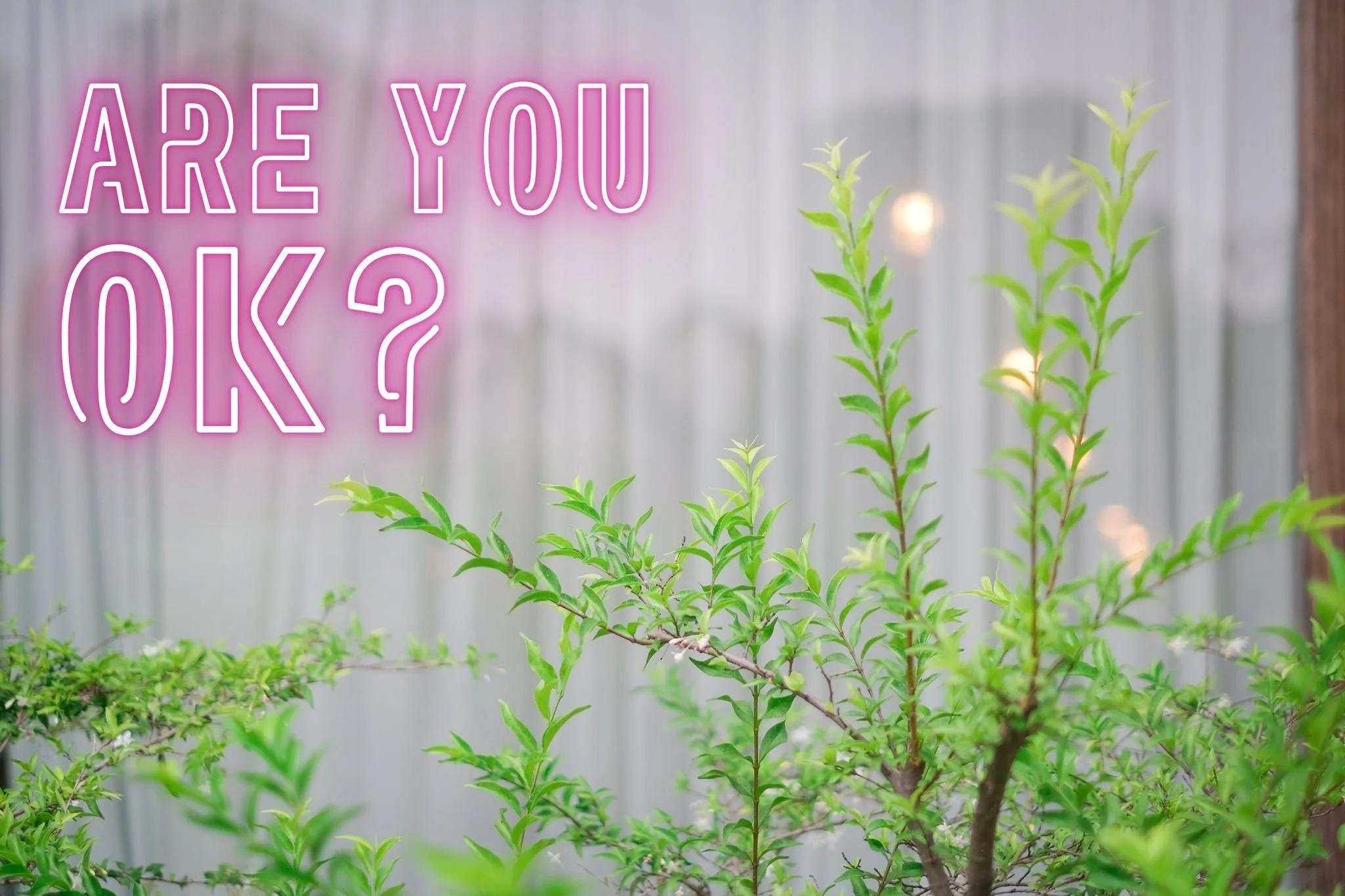
“Are you OK?” is a strangely small question for something that can hold so much weight.
Most days, it passes between people almost unnoticed: in the hallway, over coffee, between meetings, or at the end of a yoga class. The answer is usually automatic — “I’m good,” “All fine,” “Just tired” — and everyone carries on. But occasionally, someone pauses before answering. Maybe there is a longer silence than usual, or “fine” quietly becomes, “Actually, things have been a bit difficult.”
That pause is worth paying attention to.
In Australia, R U OK? Day, is actually held on the second Thursday of September, encourages people to notice when someone may be struggling, start a meaningful conversation, listen without judgement, and stay connected afterwards. Because asking the question is only the beginning; the real care lies in making space for whatever answer comes next.
We have become remarkably good at looking fine
Struggling rarely arrives with a clear announcement. Someone can answer every email, show up to work, make dinner, attend yoga and still feel overwhelmed underneath it all. A normally talkative friend may become quieter, a colleague may start withdrawing from lunch, or a familiar face at the studio may suddenly disappear.
None of these changes automatically mean something is wrong. People get busy, have difficult weeks, or simply need space. The point is not to interpret every change, but to become attentive enough to notice when someone seems different.
Sometimes asking does not uncover a hidden crisis; it simply lets someone know they have been noticed.
The question is only the doorway
When someone answers, “Actually, no,” the conversation can suddenly become unfamiliar territory. They may not know where to begin, hesitate halfway through, or laugh because being vulnerable feels unexpectedly awkward. This is where listening matters more than having the perfect response.
There is often an instinct to fix things quickly: offer advice, suggest a routine, find a silver lining. But people do not always share something because they want it solved. Sometimes they need to feel understood before deciding what they need next.
Asking “Do you want to talk about it?” or “What would feel helpful right now?” leaves room for them to choose the direction of the conversation.
Good emotional support is not about becoming responsible for another person's wellbeing. It is about listening without judgement, respecting their boundaries, and helping them find appropriate support when something requires more than a friend or colleague can offer.
Yoga has its own lesson in paying attention
A yoga practice is, in many ways, an exercise in noticing before reacting.
The breath becomes shallow, the body feels different from yesterday, a pose becomes uncomfortable, or balance starts to wobble. With practice, there is less need to immediately force, fix or judge the experience. There is an opportunity to notice what is happening and then respond accordingly.
That same pause can change the way people connect.
When someone becomes quiet, notice before assuming. When they share something difficult, listen before reaching for advice. When the conversation becomes uncomfortable, resist the urge to fill the silence simply to make yourself feel more comfortable.
Yoga also teaches that knowing when to soften or stop is part of practice. The same can apply to emotional support. Being present for someone does not mean pushing them to talk, taking control of their problems, or carrying more than either person can hold.
Sometimes care means giving someone room. Sometimes it means encouraging them towards professional support.
Community is built in the follow-up
A meaningful conversation does not necessarily end when the person says goodbye. A message a few days later, a coffee invitation, or a simple “How are things going now?” can show that what they shared was remembered.
This is where wellbeing becomes a community practice rather than an individual project. Belonging is often built through small, repeated moments of recognition: the familiar face who notices an absence, the teacher who remembers a name, the friend who checks in without needing a reason.
A yoga studio can be one of those spaces. The practice may happen on the mat, but connection often happens around it — in the few minutes before class, during a conversation after savasana, or simply in knowing that someone will notice when you have not been around.
Perhaps the practice is returning
One conversation rarely changes everything. Someone can open up one day and still have a difficult week afterwards. They may feel better, withdraw again, accept support, or need to talk another time. Human wellbeing is rarely as tidy as a before-and-after story.
That is why returning matters.
Return to the conversation. Return to the friendship. Ask again.
In yoga, returning to the mat does not mean every practice feels the same. Some days feel strong, others restless or heavy. The practice is learning to meet what is there rather than demanding the same version of yourself every time.
Connection can work the same way.
This World Mental Health Day, perhaps we can remember that caring for mental health is not always about having the right words or knowing how to solve someone's problems. Sometimes it begins much more simply: noticing, asking, listening, and being willing to return.
“Are you OK?” may only take four words, but the deeper practice is creating enough space for an honest answer — and caring enough to stay present for what comes next.