
What animals know about resting that humans have unlearned?
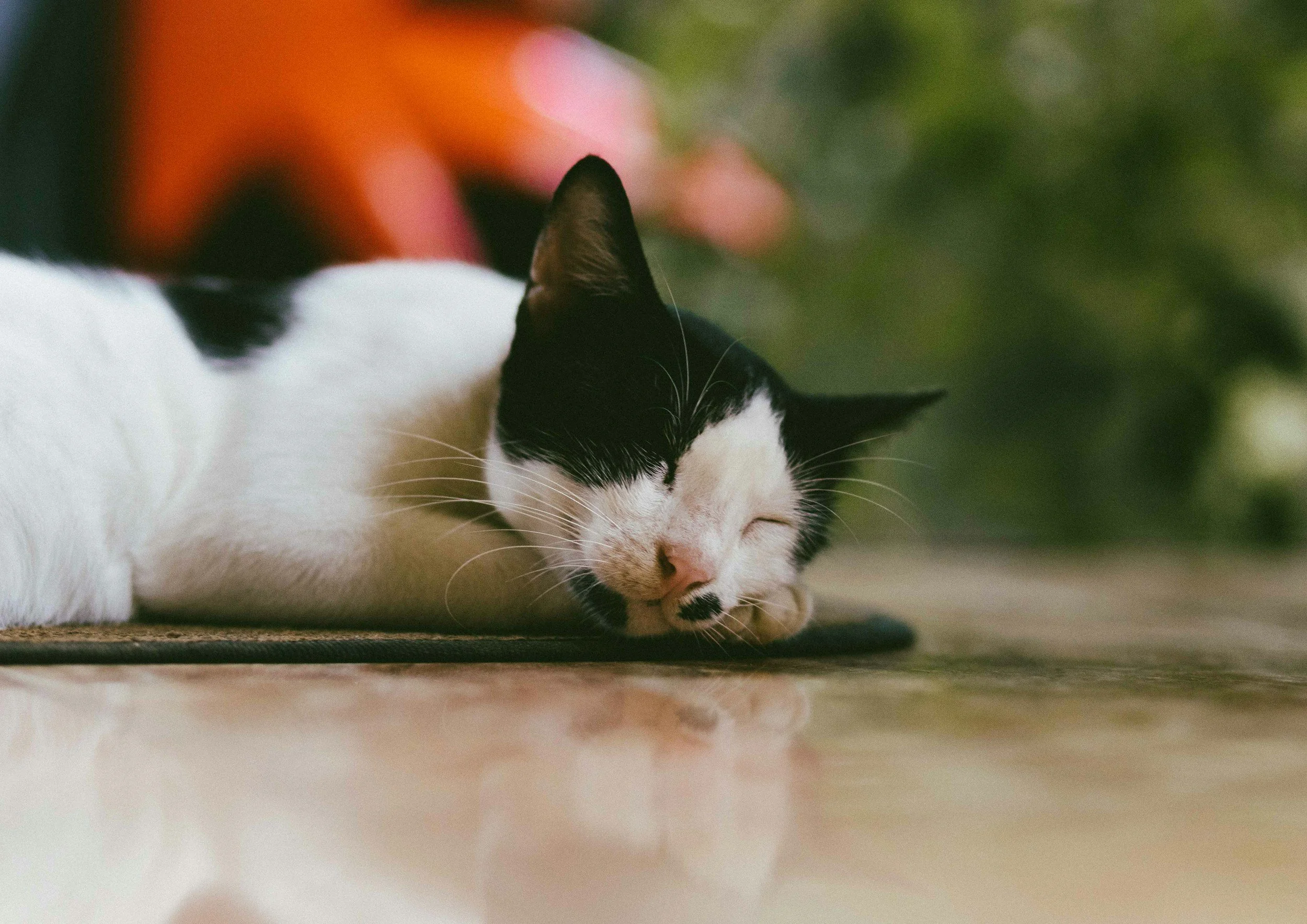
A cat stretches across a patch of sunlight as if nothing else exists - not the passing time, not the shifting light, not the possibility of doing something more “useful.” The body softens completely into the moment. When the sun moves, the cat will follow. Until then, it rests.
It’s an ordinary scene, but it raises a quiet question: when did rest become something humans struggle to fully enter?
Because for many, rest is no longer just rest. It is strategic. It is timed, justified, often slightly rushed. Even in stillness, there is a subtle tension - a sense that something else should be happening.
Animals don’t seem to have that problem. Why?
Rest Without Guilt: The Animal Way
Across species, rest looks different. Some animals nap in short bursts, others drift in and out of light sleep, and some - like dolphins - rest with only half their brain at a time. But beneath these variations is a shared instinct: when it’s time to rest, they do.
There is no visible negotiation. No sense of earning it first. Rest isn’t treated as a reward or an indulgence - it’s simply part of being alive. Even in less-than-perfect conditions, animals don’t hover at the edge of rest. They enter it as fully as circumstances allow, then leave it just as naturally. A clean relationship. One without commentary.
Humans, on the other hand, tend to rest with a running inner dialogue.
Resting, But Not Letting Go
Now place that next to the human version of rest.
It often begins with good intentions: lying down, closing the eyes, taking a break. But almost immediately, something else joins in. A quiet stream of thoughts - unfinished tasks, future plans, small reminders that now might not be the best time to stop. Rest becomes narrated.
There is a tendency to measure it (was that enough?), to justify it (I’ve worked hard today), or to contain it (just ten minutes, then back to it). Even relaxation can feel like something to do correctly, rather than something to experience.
This is where productivity guilt gently settles in. Not loudly, not dramatically - but enough to keep the body from fully letting go. Enough to keep rest slightly shallow, slightly interrupted.
The body lies still. The nervous system, however, is not entirely convinced.
Yoga as a Way Back
This is where yoga, especially slower and restorative practices, becomes less about movement and more about remembering.
Many poses are inspired by animals - not just in shape, but in quality. Cat–Cow moves with an intuitive rhythm, like a body stretching without instruction. Cobra lifts with alertness but without strain. Child’s Pose folds inward in a way that feels instinctively safe. These postures don’t ask for effort directed outward; they bring attention inward - toward the texture of the body in this moment, where it is holding, where it is willing, where it is simply waiting to soften.
As the pace slows, something begins to shift. The breath deepens. The urge to adjust or optimize fades. The mind, which arrived with a full agenda, finds the agenda less compelling - not because it has been silenced, but because the body has become more interesting than whatever the mind was rehearsing.
Staying Long Enough for Rest to Begin
In restorative poses and Savasana, the instruction is simple: stay. What makes it difficult is what comes with it. The mind moves ahead, the body fidgets, as if stillness needs managing. In the first few minutes, there’s often an urge to leave - even when there’s nowhere to go.
If the position is held, without forcing or watching the clock, something shifts. Muscles release, the breath slows, and attention moves from monitoring to simply being. Rest doesn’t begin when the body lies down, but when it stops trying to be elsewhere.
This is the moment animals seem to enter without effort. They don’t ease into rest - they arrive in it. Fully, immediately, without the preamble.
Humans take longer. But the body hasn’t forgotten. It still recognizes what it feels like to let go. And when it does, it feels less like learning, more like remembering.
Rest as Rhythm
What animals understand instinctively is that rest is not separate from activity. It’s part of the same rhythm.
Energy rises and falls. Effort expands, then recedes. Stillness is not a break from productivity - it’s what makes sustainable movement possible. Nothing in nature operates at full capacity all the time, and nothing is expected to.
When rest is seen this way, it no longer needs to be earned or justified. It becomes a response to the body, not a reward for effort. Something to return to, rather than something to delay.
And perhaps that is the shift: rest is not something to learn, but something to allow.