
Why Practicing Beside Other People Feels Surprisingly Good
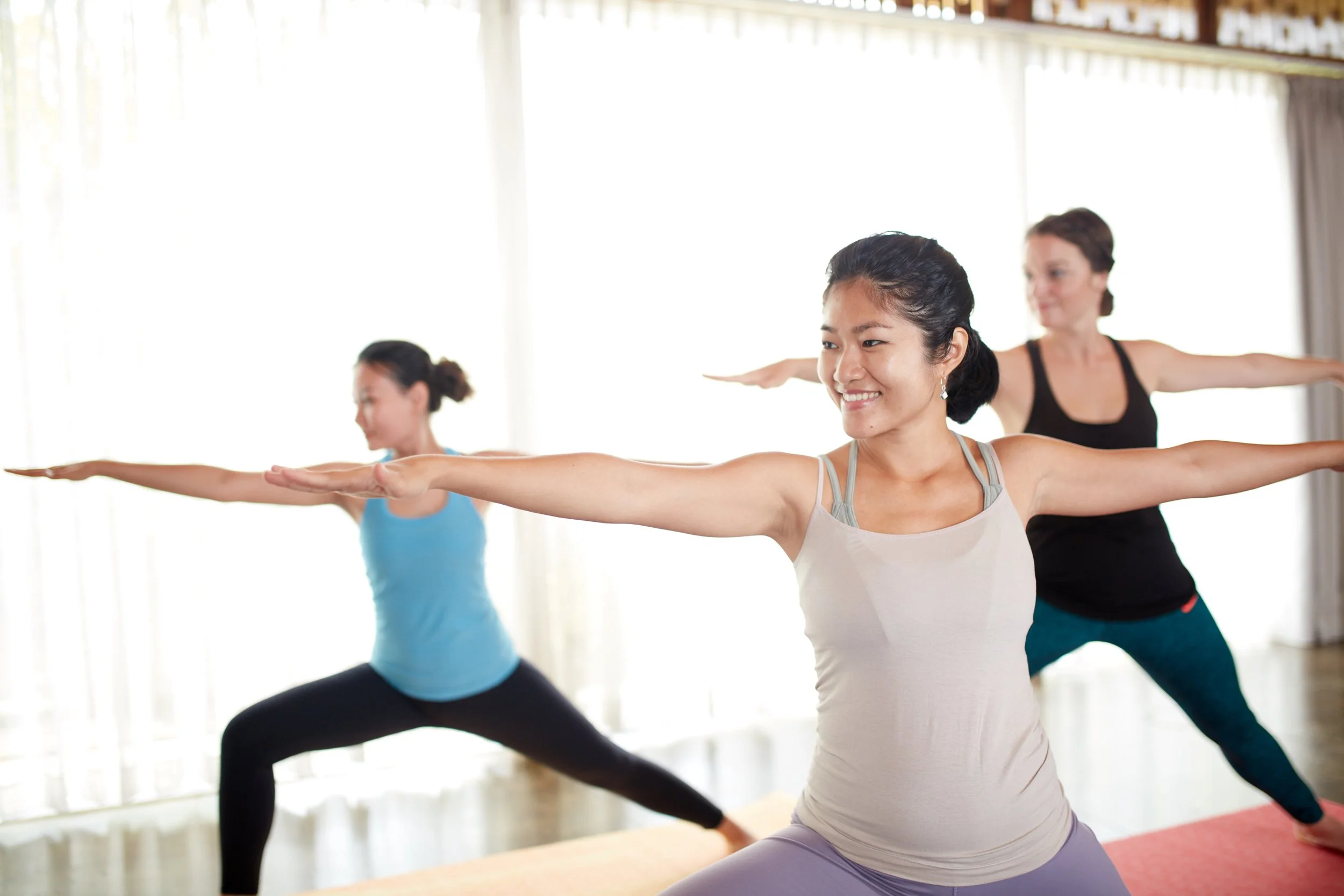
Yoga is often described as something deeply personal - an intimate space where it is just you, your mat, your breath, and the quiet unfolding of movement from the inside out.
Yet the moment you step into a full studio, something subtle begins to shift. It is not loud or dramatic, and it does not announce itself. Instead, it arrives slowly, almost imperceptibly, as the room begins to feel like a shared field of presence.
Breaths start to align without intention. Movements settle into a collective rhythm. Even the silence changes texture - it no longer feels empty, but gently held, as though everyone is quietly supporting one another simply by being there.
And often, without quite knowing why, you leave feeling a little lighter, a little more open, and a little more connected than when you arrived.
The Quiet Comfort of Moving and Breathing Together
We are social beings, shaped by shared rhythm and presence long before wellness had a name.
There is something deeply grounding about moving and breathing in sync with others. Yoga brings this ancient familiarity into a modern space, where strangers quietly participate in the same unfolding experience.
When a group inhales together during Sun Salutations or flows through sequences in a shared tempo, the practice becomes more than individual effort. It becomes a collective rhythm - subtle, unspoken, and deeply human.
Even breath, usually unnoticed in daily life, begins to feel different in this setting. In a room full of slow, intentional breathing, the atmosphere softens. It feels as though the space itself is learning to slow down.
Without trying, your breath begins to follow the rhythm around you. Tension loosens. Thoughts spread out. The body settles into a sense of ease it may not have realized it was missing.
It can feel like walking uphill with others - the climb is still yours, but it feels lighter when shared.
Motivation, Belonging, and the Relief of Being Imperfect Together
Not every practice begins with energy or clarity. Some days you arrive tired, distracted, or already carrying the weight of the week. Sometimes, simply showing up is the entire practice.
In those moments, the presence of others becomes quietly supportive.
Someone returns after time away. Someone moves gently without urgency. Someone new tries poses with uncertainty but still tries. No one is performing perfection, and no one is expected to.
That shared willingness to simply be there creates a soft kind of motivation - not pressure, but permission. It reminds you that effort itself is enough.
At the same time, group practice gently dissolves the inner critic that often appears in solo movement.
Am I doing this right?
Why does this feel different today?
Shouldn’t I be further along?
In a shared room, that voice softens. You see others wobble, rest, adjust, and begin again. Imperfection becomes visible everywhere, and therefore less personal.
What remains is something simpler: the understanding that yoga was never about performance. It is about returning - again and again - to presence, exactly as you are.
The Quiet Sense of Not Being Alone
Modern life offers constant connection, but not always real presence. A yoga class offers something simpler and more grounded.
No need to speak, perform, or explain. You arrive, unroll your mat, and exist alongside others doing the same.
Over time, this shared stillness builds a quiet sense of belonging. A familiar face. A teacher who remembers your name. A small nod before class begins. These small repetitions form connection without effort or expectation.
It is not forced community - it is something that grows naturally through repeated presence in the same space.
And in that space, even silence feels different. It is no longer absence, but shared attention.
Finding Balance Between Shared Practice and Solitude
Even with the beauty of practicing together, solitude has its own essential role.
There is a different depth in practicing alone - a quiet morning flow, a few stretches before bed, a moment where only your breath exists. Without external rhythm, you move entirely at your own pace and listen inward more closely. It becomes a space to meet yourself without interruption, building a quiet kind of self-trust.
Most people naturally move between these two modes depending on what they need. Some days call for shared energy, structure, and gentle encouragement. Other days call for privacy, slowness, and reflection.
Group practice offers presence, rhythm, and subtle motivation. Solo practice offers freedom, introspection, and independence. Together, they create a more complete rhythm - like breath itself, expanding and releasing in natural cycles.
More Than Movement
At its core, yoga is about connection - between breath and body, awareness and sensation, self and something quieter within. Sometimes, it is also about connection to others, even without words.
So the next time you find yourself in a room of shared movement and breath, notice the atmosphere. The way effort feels lighter. The way silence feels alive. The way the space seems to hold you gently without asking anything in return.
You remain on your own mat, in your own practice. And still, you are not alone. And sometimes, that quiet togetherness is exactly what the body and mind have been needing all along.