
Your Home, Your Energy: Creating a Space That Supports Your Wellbeing
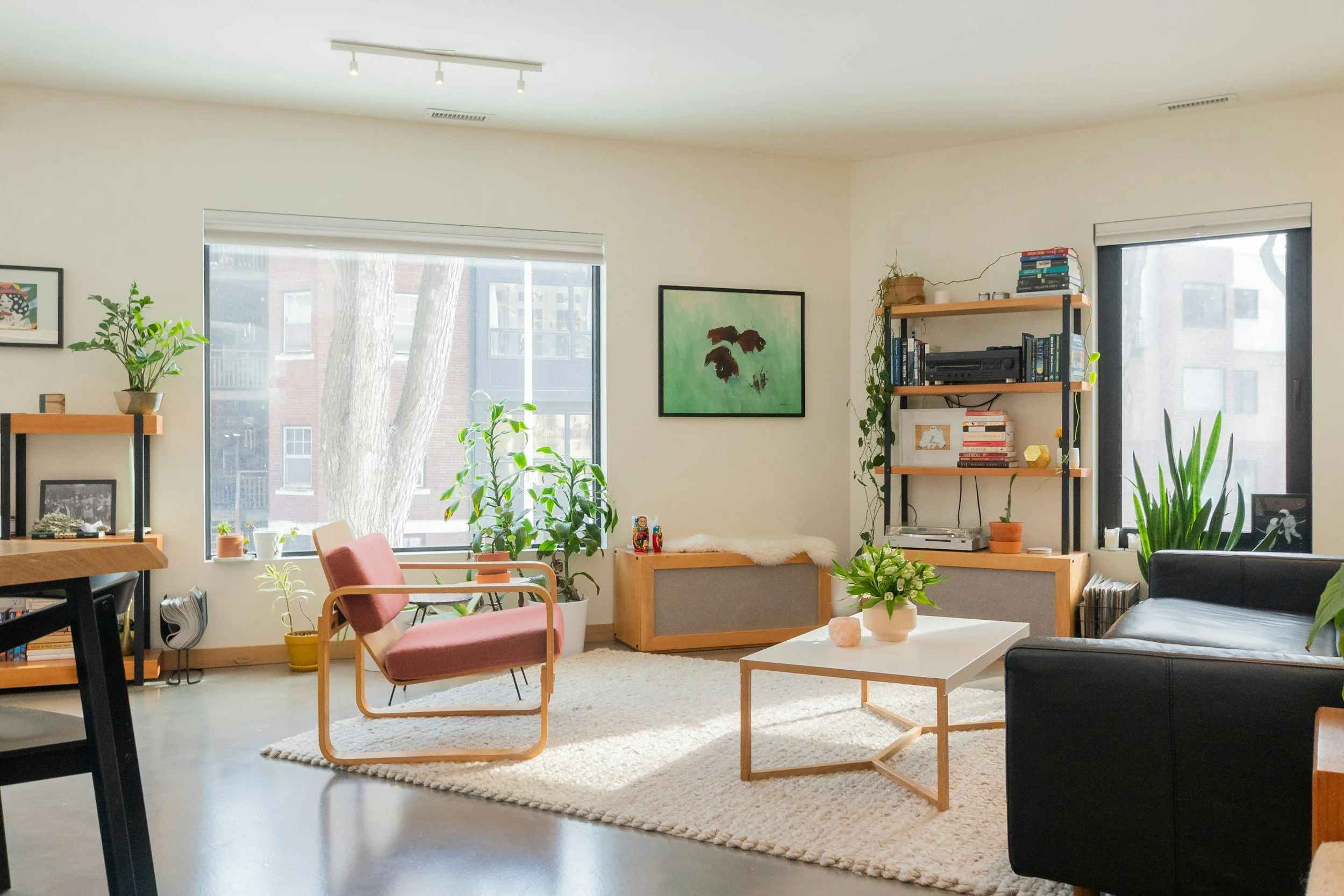
Our homes possess a quiet superpower: they know how to collect and absorb everything. From long, exhausting days out on the streets and rushed, chaotic mornings, to the invisible weight of unanswered messages and the sudden, jarring sound of a late-night work notification. Over time, those tiny fragments of weariness quietly settle, choosing to take up residence right within our living spaces.
Perhaps that is why, sometimes, even when standing in a beautifully curated room, we can suddenly feel an strange, heavy sigh weighing down our hearts.
Looking around, we realize the armchair in the corner has disappeared under a mountain of clothes that are "not quite dirty, but definitely no longer fresh." The kitchen counter has become a gathering place for half-burnt candles, unopened packages, and a pile of receipts we promised ourselves we would never look at again. Even the yoga mat has been rolled up in the corner for so long that it no longer feels like a symbol of wellness, but rather a silent reminder of unfinished intentions.
On their own, each item is just a speck of dust. But together, they create a low-level static that quietly unrests the mind. Because a home does not just touch our eyes—it touches every breath, every muscle in our body.
A living space that truly nurtures the soul does not demand perfection; it asks for emotional lightness. It is the difference between walking into a room and instantly feeling your chest loosen, versus opening the door only to immediately remember seventeen unfinished tasks waiting in the wings.
Letting our Home Breathe Again
These days, “decluttering” is often packaged as an extreme minimalist philosophy. But creating a peaceful home doesn’t require living inside a perfectly beige apartment with two ceramic bowls and one expensive candle.
A home should still feel human. Warm. Lived in.
The goal is not emptiness - it’s lightness.
Sometimes the biggest emotional shift comes from letting go of things that quietly drain energy instead of giving it back. The unopened stack of mail collecting dust near the kitchen. The corner that accidentally became a storage unit for “deal with later.” The yoga mat that now carries a tiny cloud of guilt every time it catches your eye.
Clearing stagnant energy often begins with very small, almost forgettable rituals:
opening the windows in the morning, wiping down a surface before bed, donating belongings tied to an older version of yourself, allowing a room to have breathing space instead of filling every empty corner.
A peaceful home rarely appears overnight. It’s built slowly, gently, through tiny choices that soften everyday life little by little.
Bringing Nature Back Indoors
There’s a reason homes instantly feel calmer when plants are around.
Greenery changes the emotional texture of a space in a way expensive furniture rarely can. Plants bring movement, freshness, and grounded energy into homes otherwise crowded with screens, notifications, and digital exhaustion. They soften harsh edges, purify the air, and quietly reconnect the body to nature - something many people spend most of the day disconnected from without even realizing it.
A resilient snake plant beside the desk. Pothos vines trailing down a bookshelf. Lavender resting near the bed. A peace lily catching sunlight by the window. Small additions, yet they completely change the atmosphere of a room.
Suddenly, the space feels alive. Less like a structure designed for productivity, and more like somewhere that gently holds you at the end of the day.
And honestly, caring for plants can feel healing too. Watering them. Turning them toward the sunlight. Noticing tiny new leaves appearing out of nowhere. Quiet reminders that growth rarely happens all at once.
A wellness-centered home doesn’t need to look perfectly curated. Sometimes one healthy plant and natural sunlight spilling across the floor are already enough to shift the mood of an entire apartment.
Soft Lighting, Softer Energy
Lighting shapes mood more than most people realize.
Bright overhead lighting often keeps the body alert long after the day is over, while softer lighting creates a sense of safety and calm. Salt lamps, candles, fairy lights, warm bedside lamps - these small details shape the emotional energy of a home more than most people realize. They create transition rituals between productivity and rest.
That’s why tiny evening habits often feel so comforting: lighting incense after tidying up, making tea in the same favorite mug every night, stretching while music plays softly in the background, reading under warm light while pretending notifications no longer exist.
None of these rituals are life-changing on paper, yet together they tell the body something important:
you’re home now. You can relax.
Creating a Small Sacred Space
A sacred space doesn’t need to be elaborate. Most of the time, it’s simply a corner with intention behind it.
A yoga mat near the window. A floor cushion. A candle that smells faintly like cedarwood and emotional stability. A small corner untouched by work laptops and unfinished tasks.
Over time, the body begins associating that space with calm. Even sitting there for a few quiet minutes after a busy day can feel grounding.
Modern life has blurred everything together. Beds become offices. Kitchens become meeting rooms. Couches become doomscrolling stations. The nervous system barely knows where stress ends anymore.
Creating even a tiny sanctuary inside the home helps bring back a sense of separation between chaos and rest.
Let Home Feel Like Support
Wellbeing at home is rarely about achieving a certain aesthetic. It’s about creating a space that supports the person living inside it.
Some days, wellness looks surprisingly simple: clean sheets, fresh air, sunlight on the floor, enough room to stretch comfortably, a room that smells calming instead of stale. Small comforts that make daily life feel a little more gentle.
A mindful home should not feel like another project demanding perfection. It should feel grounding, personal, and alive. A place where the body can finally loosen its shoulders and stop bracing for a while.
Because the most healing spaces are usually not the most impressive ones. They are simply the spaces that allow people to return to themselves, slowly and softly, every day.